

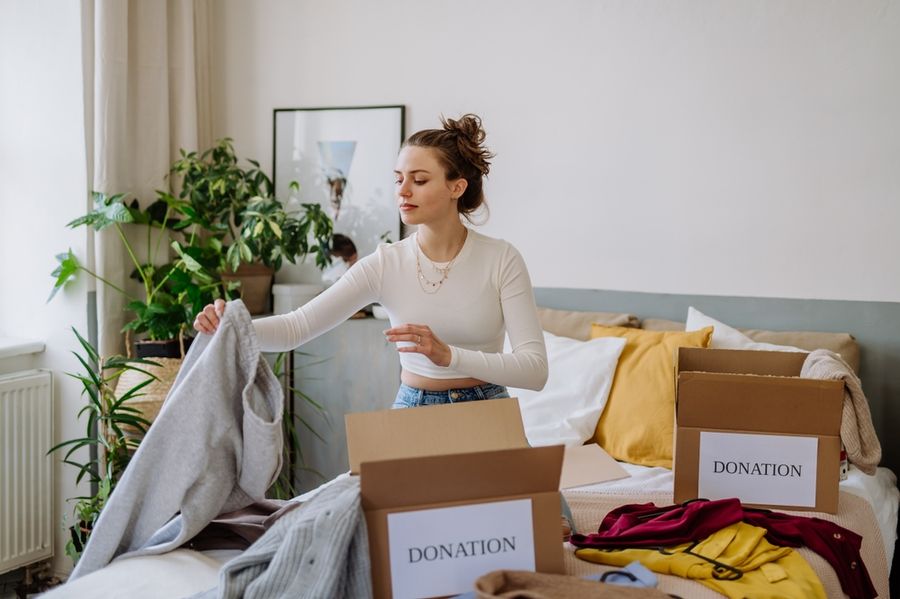
A clutter-free home doesn’t depend on fancy organizers or storage bins. With focused habits and a fresh perspective, every room can feel lighter using only what’s already available. Decluttering often starts with rethinking how items are used and where they belong, making the process more intuitive and less overwhelming. Small, mindful steps can create meaningful change, helping each space feel calmer, more functional, and easier to maintain—all without spending a single dollar.
Start With Surfaces to Create Immediate Clarity
Clearing surfaces sets the tone for the rest of the room and makes decluttering feel instantly rewarding. Removing items from countertops, tables, and dressers reveals how spacious a room truly is. This small step helps reduce visual noise, making it easier to decide what deserves a place in the space. Setting aside anything that doesn’t belong gives each surface a chance to breathe.
Once surfaces are cleared, the room naturally feels cleaner, and maintaining that openness becomes more manageable. Use this moment to return items to other areas where they truly belong, rather than letting them drift back into the wrong room. A tidy surface encourages better habits throughout the day and prevents clutter from slowly rebuilding.
Rehome Items Using Only What You Already Have
Many clutter problems come from items settling in the wrong place over time. Walking through the home with a small box or basket (something already on hand) helps gather stray objects efficiently. Moving items from room to room, placing them where they belong, creates a more intentional flow. This simple tactic reduces the urge to buy new storage and instead focuses on restoring natural order.
Rehoming also encourages reconsidering whether each item still serves a purpose. When something repeatedly ends up out of place, it may no longer be needed. Using this moment to donate or discard unused items helps lighten the load even more. With consistent rehoming, each room becomes simpler to manage and more enjoyable to use.
Use the “One Category at a Time” Approach
Decluttering by category rather than by room can help prevent overwhelm. Choosing one type of item, such as books, linens, or cosmetics, allows for thoughtful decision-making without pressure. Removing all items from that category and evaluating them together highlights duplicates or rarely used pieces. This method often results in more intentional editing and easier choices.
Once the category has been sorted, returning the remaining items to their proper spots creates a clearer system. This tactic reduces the feeling of jumping from one task to another and brings immediate structure to the process. A slow, steady approach often leads to more lasting results and helps avoid the urge to buy new containers or tools.
Repurpose Existing Containers for Quick Organization
Before purchasing new storage solutions, take inventory of containers already in the home. Empty jars, unused baskets, spare mugs, and old shoeboxes can be repurposed for organizing drawers, cabinets, or shelves. These items work well for grouping small belongings like cables, craft supplies, batteries, or office items. Often, the perfect organizer is already available—it just hasn’t been reassigned yet.
Repurposing also encourages creativity and reduces waste. A decorative bowl can hold keys, while a sturdy box can become a sorting tray. Using existing pieces fosters appreciation for what’s already on hand. Small shifts like this bring cohesion to a room and cut down on unnecessary purchases.
Create a Donation Station Without Spending Anything
Setting up a donation station helps maintain a clutter-free home long-term. A simple cardboard box, basket, or bag placed in a closet or laundry room works perfectly. As items become outdated, duplicates appear, or belongings lose their usefulness, placing them in the station helps streamline decision-making. Once the container fills, donating becomes a quick, easy task.
This habit encourages a cycle of regular editing rather than occasional decluttering marathons. It also reframes the idea of letting go, making the process feel more intentional and less overwhelming. The home becomes a space that reflects current needs instead of holding on to items out of habit.
Rearrange Furniture to Open Up Space
Sometimes clutter is more about flow than volume. Rearranging furniture can instantly change how spacious and functional a room feels. Moving larger pieces to better locations creates clear pathways and makes it easier to navigate daily routines. This simple adjustment often highlights areas where unnecessary items have gathered.
Once the layout feels more open, it becomes easier to identify what belongs in the room and what doesn’t. A fresh arrangement may even reveal hidden storage opportunities or underused space. Rearranging encourages a renewed appreciation for what’s already present and strengthens the home’s overall sense of order.
A Home That Feels Lighter Every Day
Decluttering without spending anything proves that simplicity often comes from a mindset rather than materials. Focusing on surfaces, categories, and daily habits creates lasting clarity throughout the home.
Repurposing containers and rethinking layouts help each room feel more inviting without the need for new purchases. With mindful steps and consistent editing, every space can feel calm, functional, and refreshingly clutter-free.