

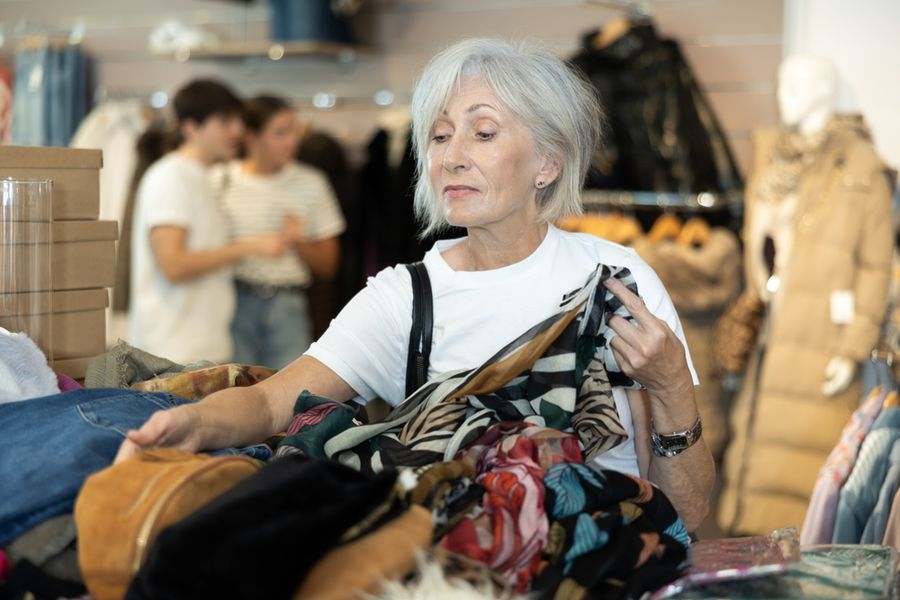
Secondhand shopping can feel like hunting for treasure, but the real magic happens when you know what to look for and how to navigate the racks with confidence. The right strategy will help you uncover high-quality pieces, elevate your wardrobe, and save a significant amount of money.. With thoughtful browsing and a clear sense of what you need, thrift and consignment stores become an endless source of style potential. Mastering the art of secondhand shopping turns every visit into an opportunity to find something special.
Know Your Style and What You Actually Need
Before stepping into any secondhand shop, having a sense of your personal style keeps you focused. A clear understanding of color palettes, silhouettes, and pieces you reach for regularly helps you avoid buying items solely because they’re a bargain. Bring a list of wardrobe gaps, whether it's layering basics, outerwear, or accessories, and keep it in mind while browsing. Shopping with intention prevents impulse buys that end up unused.
When you know your lifestyle needs, the racks become easier to navigate. If you work in an office, prioritize structured pieces. If you're more casual, focus on denim, tees, and outerwear. Understanding what you actually wear makes your time more productive. It ensures the pieces you bring home will be worn often, giving you more value for your money.
Look for High-Quality Fabrics and Construction
Quality is one of the biggest advantages of shopping secondhand. Many older garments were made with stronger stitching, richer fabrics, and better structure than some modern fast-fashion items. While browsing, feel the fabric. Natural fibers like wool, linen, cotton, and silk tend to last longer and drape beautifully. Well-made knitwear, denim, and outerwear can often be found in excellent condition for a fraction of retail prices.
Also, inspect the construction. Check seams for straight stitching, zippers for smooth movement, and buttons for secure attachment. If the garment features details like lining, reinforced stitching, or metal hardware, those are signs of longevity. High-quality pieces stand the test of time and are worth grabbing when you find them, especially if they fit or can be altered easily.
Learn to Spot Hidden Damage and Wear
Even the most beautiful item can become a regret if it has issues you overlooked. Before purchasing, check for stains, tears, pilling, broken zippers, or stretched-out areas. Some flaws are fixable—missing buttons or minor pilling are easy repairs—but others, like large stains or fabric degradation, may not be worth the effort. Always hold garments up to the light to check for thinning or small holes, especially in knitwear.
Try to imagine wearing the item. Would the flaw bother you? Would you realistically repair it? Honest answers help prevent clutter. Some shoppers carry a small fabric shaver or a measuring tape to help assess items more accurately. When in doubt, leave pieces behind that require more work than you're willing to invest.
Try On Multiple Sizes and Keep an Open Mind
Sizing varies widely across brands, eras, and cuts. Vintage clothing especially tends to run smaller, while modern fits can be inconsistent. Going into a thrift store with an open mind about sizes gives you more opportunities to find great pieces. Try on items several sizes above or below your typical size—you may discover perfect fits in unexpected places.
Trying things on also helps you evaluate comfort and mobility, which are important for long-term wear. Some pieces that look unremarkable on the hanger come alive once worn. If the store doesn’t have fitting rooms, wear clothes that allow you to try things on over them. Flexibility makes secondhand shopping far more rewarding and helps you avoid passing up unexpected gems.
Explore All Sections (Not Just Your Usual Ones)
Some of the best thrift finds aren’t in the section you'd expect. Oversized sweaters, flannels, or tees in the men’s section can offer incredible fits. The kids’ section may have high-quality basics for petite shoppers. Outerwear, denim, and accessories often get misplaced, so taking the time to browse multiple sections increases your chances of finding hidden treasures.
Also, check racks near fitting rooms, where shoppers leave unwanted items. These pieces were already deemed “worth trying on,” which may mean they’re higher quality or trendy. Don’t forget to browse clearance racks and new-arrival carts—these are hot spots for standout finds. Exploring the store fully helps you shop like a pro and uncover pieces others may have missed.
Know When to Splurge and When to Pass
One of the perks of secondhand shopping is the ability to purchase premium brands at accessible prices. When you come across designer labels, high-end denim, luxury outerwear, or timeless basics in excellent condition, they’re usually worth grabbing. These pieces tend to last longer and elevate your wardrobe with minimal effort.
On the other hand, skip items that don’t align with your style or quality standards, even if they’re inexpensive. A low price isn’t a compelling reason to buy something that won’t get worn. Being selective helps you build a wardrobe full of pieces you genuinely love. Over time, you’ll develop an eye for what’s worth the investment and what’s better left behind.
Making Secondhand Shopping an Art Form
Shopping secondhand becomes more intuitive with experience. The more you browse, the better you become at spotting quality, recognizing valuable brands, and understanding your personal style. Each trip teaches you something new about what works for your wardrobe.
When you approach secondhand shopping with intention and curiosity, you uncover pieces that feel unique, well-made, and entirely you. Not only does it save you money, but it also supports sustainable habits that make your wardrobe more thoughtful and expressive.