

A well-planned shopping list can make every store trip feel calmer, easier, and far more affordable. Instead of wandering aisles and grabbing whatever looks appealing, a clear list keeps your focus on your real needs. It frees you from impulse purchases and helps stretch your budget without adding extra effort. A little intention before shopping creates a smoother routine and a more mindful spending pattern, making each dollar work harder and reducing stress around everyday purchases.
Start by Reviewing What You Already Have
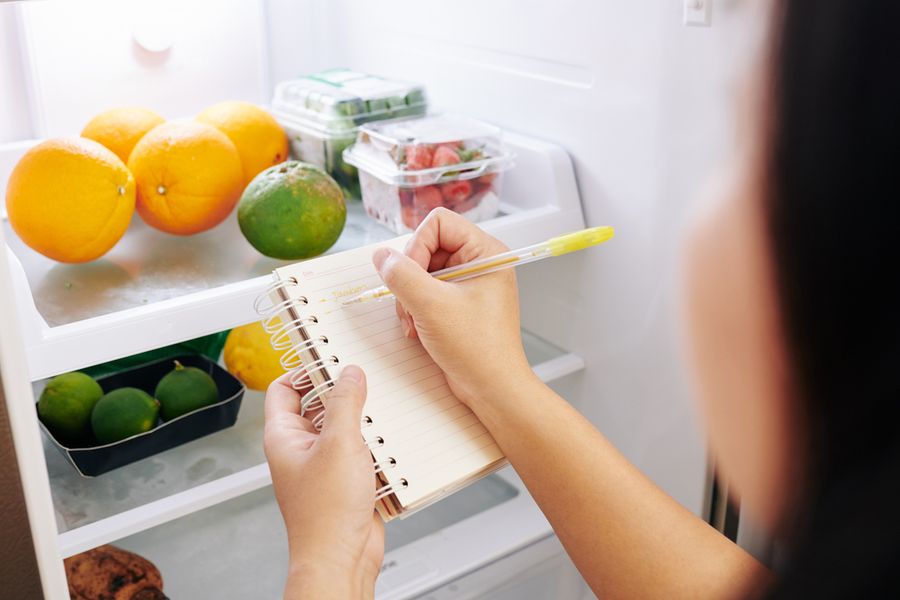
Before adding anything to your list, check your pantry, fridge, bathroom cabinets, and cleaning supplies. Knowing what’s already in your home prevents accidental duplicates and ensures your money goes toward actual gaps rather than restocking items you don’t need. This quick scan also helps you build meals or household plans around what’s available, cutting waste and reducing unnecessary purchases.
This review becomes even more powerful when done consistently. Over time, you’ll start recognizing common patterns—like items that last longer than expected or things you forgot you bought. That awareness helps refine future shopping lists, cuts back on last-minute store trips, and gives you more control over food and household spending.
Plan Your Meals or Needs Before Listing Items
Creating a loose meal plan (or at least outlining a few dishes) keeps your grocery list focused and intentional. Even a simple plan covering a handful of dinners and lunch staples can dramatically reduce impulse buys. Knowing what ingredients you’ll actually use makes it easier to skip items that will end up forgotten in the back of the fridge.
The same idea applies to non-food shopping. If you’re heading to a home store, think through upcoming needs like cleaning tasks, upcoming events, or seasonal changes. Planning keeps your list aligned with your real priorities instead of tempting displays or limited-time promotions.
Categorize Your List to Stay More Organized
Breaking your list into categories, such as produce, pantry, household items, and personal care, helps you stay focused while shopping. When items are grouped, you can move through the store efficiently without wandering into sections that tempt you to overspend. Organized lists also make it easier to spot unnecessary additions or items that duplicate what you already own.
Category-based lists also prevent forgotten items, which often lead to repeat store trips where impulse buys happen. Whether you’re using a notes app, a spreadsheet, or pen and paper, grouping your list creates a streamlined shopping plan that makes your trip quicker and more budget-friendly.
Prioritize Essentials and Identify “Nice-to-Haves”
A list becomes more effective when it distinguishes between must-haves and optional items. Essentials are things you genuinely need, like ingredients for planned meals, personal care staples, or cleaning supplies you’ve run out of. Nice-to-haves are items you’d enjoy but don’t absolutely require. Labeling them clearly helps you stay mindful of spending in the moment.
If you discover the total cost is higher than expected, having a separate category for nice-to-haves makes it easy to remove or postpone them. This simple distinction gives you flexibility without sacrificing control, creating a balanced approach that supports both your budget and your lifestyle.
Stick to Your List in the Store
A thoughtful shopping list only works if you commit to following it. Staying focused while shopping prevents spontaneous additions, especially when retailers use strategic placement to encourage impulse purchases. Remind yourself that anything not on the list can be noted for next time if it still feels important later.
If you often struggle with temptations, try using curbside pickup or online ordering to avoid wandering aisles altogether. This limits exposure to impulse triggers and helps ensure your total matches your expectations. Sticking to your list becomes easier with practice, turning each shopping trip into a more controlled and predictable experience.
Use Price Awareness to Strengthen Your List
A list becomes even more powerful when paired with basic price awareness. Over time, you’ll learn which stores offer the best deals for certain staples and which brands provide great value. Noting approximate prices next to recurring items can help you stay within your budget and reduce surprises at checkout.
You don’t need an official price tracker—just a general sense of typical costs helps you catch inflated prices, spot better alternatives, or choose generic versions. With even a small amount of price knowledge, your shopping list becomes a built-in guardrail against overspending.
A List That Supports Better Spending
A thoughtful shopping list does far more than guide you through the store—it reinforces mindful habits that transform your spending over time. By reviewing what you have, planning ahead, categorizing your needs, and staying committed to your essentials, you avoid impulse purchases and keep your budget under control. With small, consistent efforts, your list becomes a tool that supports intentional choices, lowers stress, and helps every dollar stretch further.