

Small changes around the home can make a noticeable difference in monthly utility bills. Many efficiency upgrades require little more than routine maintenance or modest adjustments to everyday habits. A few thoughtful tweaks to lighting, heating, cooling, and water use can keep energy consumption low without sacrificing comfort. With rising utility costs affecting many households, simple strategies can create a more efficient home that feels just as comfortable while costing significantly less to operate.
Adjusting Thermostat Settings for Better Efficiency
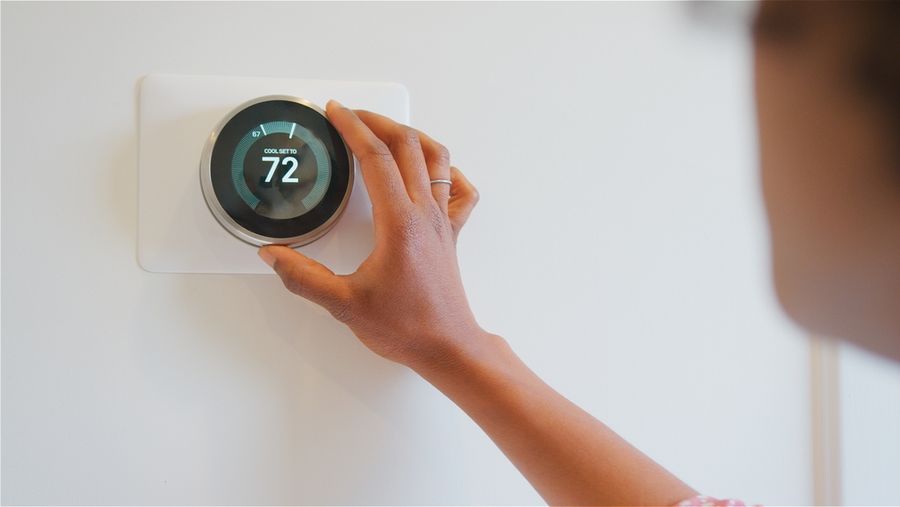
Heating and cooling often make up the largest portion of a home’s utility costs, so even a slight shift can create meaningful savings. Lowering the thermostat by 7 to 10 degrees at night or while away during winter, and raising it by the same amount during summer, can cut heating and cooling expenses by up to 10% annually. This small adjustment helps HVAC systems work less, reducing both energy usage and wear on equipment. Curtains and blinds also play a role, blocking heat during summer afternoons and welcoming in warmth during sunny winter days.
A smart thermostat adds even more efficiency by adjusting temperatures automatically. Features like scheduling, remote control via an app, and occupancy sensors help maintain comfort without wasting energy. Many models learn habits and create patterns that reduce unnecessary heating or cooling. Making the switch from a manual thermostat to a smart one often results in immediate savings and a more streamlined daily routine.
Sealing Air Leaks to Prevent Energy Loss
Air leaks around windows, doors, vents, and outlets can lead to energy waste throughout the year. Drafts allow warm air to escape in the winter and cool air to leak out in the summer, forcing HVAC systems to work harder. Using caulk, foam, or weather stripping to seal gaps is one of the most low-cost ways to improve efficiency. Paying special attention to areas around window frames, door thresholds, and outlet covers can make a surprising difference in maintaining indoor temperatures.
Adding insulation in attics, crawl spaces, or basements improves overall home comfort and helps trap conditioned air. Even small upgrades, such as insulating water heater pipes or adding a draft stopper at the front door, contribute to a tighter home envelope. With better sealing and insulation, temperature fluctuations become less dramatic, reducing strain on appliances and lowering energy costs over time.
Improving Lighting for Lower Electricity Use
Lighting accounts for a significant portion of energy use, and old bulbs can quietly drive up utility bills. Swapping incandescent bulbs for LEDs can cut energy consumption dramatically since LEDs use far less electricity and last much longer. Placing LED bulbs in the most frequently used rooms, such as kitchens and bathrooms, yields the biggest savings. Many families notice an immediate difference within a single billing cycle.
Other lighting adjustments also help reduce energy use. Installing dimmer switches allows brightness to be tailored to the task at hand, lowering consumption without sacrificing ambiance. Using motion sensors for outdoor lights prevents unnecessary overnight lighting. Simply forming a habit of turning off lights in empty rooms also contributes to meaningful, no-cost savings. Together, these small lighting choices improve efficiency throughout the home.
Reducing Water Heating Costs Through Easy Adjustments
Water heating is typically the second-highest energy expense in many households. Lowering the water heater temperature from 140 degrees to around 120 degrees helps reduce energy usage without compromising comfort. This adjustment also slows mineral buildup inside the tank, helping maintain efficiency. Adding an insulated water heater blanket to older units helps retain heat, especially in colder climates.
Simple habits can also reduce hot water demand. Shorter showers, fixing leaky faucets, and running laundry with cold or warm water all contribute to lower energy costs. Water-saving showerheads and faucet aerators reduce flow without affecting performance. These small changes often go unnoticed in daily routines but add up to meaningful savings over the course of a year.
Keeping Appliances and HVAC Systems in Top Shape
Routine maintenance helps appliances operate more efficiently and extends their lifespan. Replacing HVAC air filters regularly ensures proper airflow and prevents the system from working harder than necessary. Scheduling an annual professional tune-up can catch ductwork issues, leaks, and inefficiencies before they lead to higher bills. Clean vents and unobstructed registers improve circulation, making heating and cooling more effective.
Kitchen appliances also benefit from care. Cleaning refrigerator coils, ensuring tight door seals, and keeping the fridge away from heat sources help maintain optimal performance. Running full loads in the dishwasher and using the energy-saving drying setting reduces both water and power consumption. Small habits like letting hot food cool before refrigerating it prevent appliances from overworking, preserving energy, and lowering costs.
Managing Power Consumption From Electronics
Many electronics use power even when not actively in use, a phenomenon known as standby drain. Televisions, game consoles, computers, and speakers often draw electricity around the clock. Plugging these items into a smart power strip allows the current to shut off automatically when devices enter standby mode. Manual switches offer a simple alternative for those who prefer direct control.
Unplugging chargers once devices reach full battery prevents unnecessary energy consumption. Shutting down desktop computers overnight and disabling screen savers also helps reduce electricity usage. These mindful adjustments keep electronics from quietly inflating utility bills. Over time, managing standby power becomes an effortless habit that supports a more energy-efficient home.
Everyday Habits That Make a Noticeable Difference
A lower utility bill often comes from consistent small choices rather than major upgrades. Simple routines like adjusting thermostat settings, sealing drafty areas, and maintaining appliances contribute to lasting savings.
Energy-efficient lighting and mindful electronics use support both comfort and cost reduction. With steady habits and a few key home adjustments, reducing energy usage becomes an achievable goal that benefits both the household and the budget year-round.