

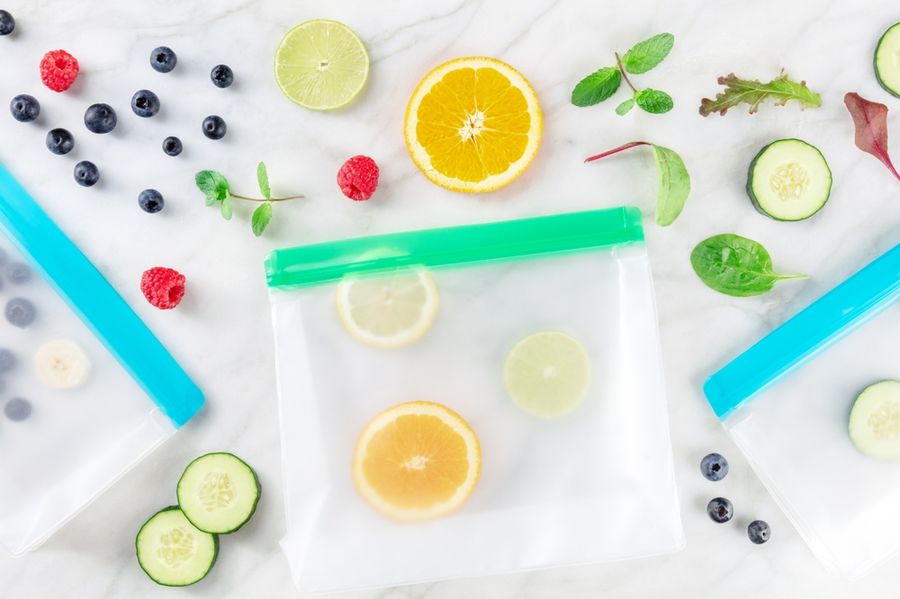
Single-use kitchen products may seem inexpensive at first, but replacement costs can quietly add up throughout the year. Paper towels, plastic wrap, disposable storage bags, and bottled water often become recurring expenses that many households barely notice until they calculate the total. Reusable alternatives offer a practical way to reduce waste while lowering everyday spending. Many durable kitchen essentials can last for years with proper care, making them worthwhile investments for budget-conscious households seeking simple ways to stretch grocery and household budgets.
Best Reusable Kitchen Products at a Glance
|
Product |
Typical Lifespan |
Replaces |
Potential Savings |
|---|---|---|---|
|
Silicone Storage Bags |
Disposable Plastic Bags |
High |
|
|
Glass Food Storage Containers |
Plastic Containers & Wrap |
High |
|
|
Reusable Paper Towels |
Paper Towels |
Moderate |
|
|
Beeswax Food Wraps |
Plastic Wrap |
Moderate |
|
|
Stainless Steel Water Bottles |
Bottled Water |
Very High |
|
|
Reusable Coffee Filters |
Paper Coffee Filters |
Moderate |
|
|
Cloth Napkins |
Paper Napkins |
Moderate |
|
|
Reusable Produce Storage Bags |
Plastic Produce Bags |
Moderate |
Silicone Storage Bags
Silicone storage bags have become one of the most popular reusable kitchen products because they perform many of the same functions as disposable plastic bags. They can be used for meal prep, freezer storage, leftovers, snacks, and even sous vide cooking. Unlike traditional plastic bags that tear easily and need constant replacement, silicone versions are designed for repeated use and often withstand thousands of uses before showing wear.
Although the initial purchase price is higher, the long-term savings can be substantial. Families who frequently pack lunches or store leftovers often go through dozens of disposable bags each month. A small collection of silicone bags can eliminate that recurring expense while reducing household waste. Many models are dishwasher-safe, making cleanup easy and helping them remain a practical choice for busy kitchens.
Glass Food Storage Containers
Glass food storage containers offer durability that plastic alternatives often can't match. They resist stains, don't absorb food odors, and maintain their appearance for years. Many options come with airtight lids, making them ideal for leftovers, meal preparation, and pantry organization. Their ability to move from refrigerator to microwave also adds convenience for households focused on efficiency.
Replacing disposable food packaging and frequently damaged plastic containers can generate meaningful savings over time. Plastic containers often crack, warp, or become stained, leading to frequent replacements. Glass containers generally last much longer and provide a more reliable food storage solution. A well-maintained set can easily remain useful for a decade or more, making the higher upfront cost worthwhile.
Reusable Paper Towels
Reusable paper towels are designed to handle many of the same cleaning tasks as traditional paper towels while dramatically reducing replacement costs. Made from materials such as bamboo fibers, cotton, or microfiber, many varieties can be washed and reused hundreds of times before needing replacement. They work well for wiping counters, cleaning spills, drying produce, and everyday kitchen maintenance.
Households that regularly purchase bulk packs of paper towels may be surprised by how much they spend annually. Switching to reusable versions can significantly lower that expense. A set of reusable towels often lasts several years, especially when rotated properly and washed regularly. Over time, fewer trips to purchase disposable products can translate into both financial savings and reduced household waste.
Beeswax Food Wraps
Beeswax wraps provide a reusable alternative to plastic wrap and aluminum foil for many food storage needs. Typically made from cotton infused with beeswax, resin, and natural oils, they become flexible when warmed by hand and can be shaped around bowls, sandwiches, fruits, and vegetables. Their breathable design may also help certain foods stay fresher for longer periods.
Plastic wrap is one of those kitchen products that requires constant replacement. A quality set of beeswax wraps can often last six months to a year or more with proper care. While they aren't suitable for every food storage situation, they can handle many everyday tasks that would otherwise require disposable products. Reduced spending on plastic wrap throughout the year can help offset the initial purchase price relatively quickly.
Stainless Steel Water Bottles
Reusable stainless steel water bottles extend beyond personal hydration and offer significant savings for households trying to reduce spending on bottled beverages. Durable designs can withstand years of daily use while keeping drinks cold or hot for extended periods. Many options feature double-wall insulation, leakproof lids, and sizes suitable for both home and travel use.
The financial difference between bottled water and refillable water bottles can be substantial. Even occasional bottled water purchases accumulate quickly over time. A single high-quality stainless steel bottle may replace hundreds or even thousands of disposable bottles during its lifespan. In addition to direct savings, many users find they consume more water simply because they always have a reusable bottle readily available.
Reusable Coffee Filters
Coffee lovers often overlook how much money is spent on disposable filters throughout the year. Reusable coffee filters are typically made from stainless steel mesh or durable fabric materials and can be used repeatedly with proper cleaning. They fit many popular drip coffee makers and eliminate the need to constantly restock paper filters.
While paper filters are relatively inexpensive, the cumulative cost over several years can exceed the price of a reusable filter many times over. Households that brew coffee daily benefit most from the switch. Beyond cost savings, reusable filters may also enhance flavor by allowing more natural coffee oils to remain in the brew. The result is a practical product that supports both financial and environmental goals.
Cloth Napkins
Cloth napkins offer a simple way to reduce recurring household expenses while adding a more polished appearance to meals. Available in countless colors, patterns, and materials, they can be washed and reused for years. Many families reserve them for dinners and gatherings, while others use them as a complete replacement for paper napkins.
The savings become more noticeable over time, particularly in larger households. Regular purchases of paper napkins may seem insignificant individually, but annual costs can add up. A modest set of cloth napkins can often serve a family for many years. When combined with regular laundry loads, the additional maintenance is minimal compared to the ongoing expense of disposable alternatives.
Reusable Produce Storage Bags
Reusable produce bags help replace the thin plastic bags commonly used during grocery shopping. Most are made from lightweight mesh or washable fabric and can be used repeatedly for fruits, vegetables, bulk goods, and pantry organization. Many shoppers appreciate their durability and transparency, which makes identifying contents easy.
Although grocery store produce bags are often free, their repeated use contributes to household waste. Reusable versions provide a more sustainable solution while helping organize groceries more efficiently. Many models last for years, making them a practical addition for shoppers who regularly purchase fresh produce. Their durability and versatility often justify the small initial investment.
Additional Ways to Reduce Waste in the Kitchen
Reusable products work best when paired with smart kitchen habits. Planning meals before grocery shopping can reduce food waste by ensuring ingredients are used before they spoil. Maintaining an organized refrigerator also helps prevent forgotten leftovers from being discarded. Simple practices such as storing foods properly and freezing excess portions can stretch grocery budgets considerably.
Composting food scraps may provide another way to reduce waste while creating nutrient-rich material for gardens. Purchasing staple ingredients in bulk can also reduce packaging waste and lower costs per serving. Small adjustments made consistently often have a greater financial impact than dramatic changes that are difficult to maintain.
How to Choose the Right Reusable Kitchen Products
Not every reusable product delivers the same value. Durability should be one of the first factors considered before making a purchase. Products made from high-quality materials generally last longer and provide better long-term savings. Reading reviews and comparing warranties can help identify products that consistently perform well.
Frequency of use also matters. Households that cook daily may benefit most from investing in reusable storage containers and kitchen towels, while occasional cooks may prioritize water bottles or coffee filters. Selecting products that align with existing habits increases the likelihood they'll be used regularly, maximizing both convenience and savings.
Building a More Budget-Friendly Kitchen for the Long Run
Saving money in the kitchen doesn't always require major lifestyle changes. Often, the most effective approach involves replacing frequently purchased disposable items with durable alternatives that can be used repeatedly. Small investments made once can eliminate dozens of future purchases while helping households reduce clutter and waste.
Reusable kitchen products offer benefits that extend beyond financial savings. Many provide better performance, greater durability, and a more organized cooking experience. Over time, a collection of thoughtfully chosen reusable items can create a kitchen that's more efficient, more economical, and better equipped to support everyday needs without constant replacement costs.