

Utility costs have become a growing concern for many households, especially as heating, cooling, and electricity expenses continue to fluctuate throughout the year. Luckily, small improvements around the home can often make a noticeable difference without requiring major renovations or expensive upgrades. Energy-efficient products help reduce waste, improve comfort, and lower monthly expenses over time. Many options pay for themselves through ongoing savings, making them practical investments for homeowners and renters looking to manage household costs more effectively.
Best Energy-Saving Products at a Glance
|
Product Category |
Primary Benefit |
Potential Savings |
|---|---|---|
|
Smart Thermostats |
Optimizes heating and cooling schedules |
High |
|
Smart Plugs |
Reduces phantom energy usage |
Moderate |
|
LED Light Bulbs |
Uses less electricity than traditional bulbs |
High |
|
Weather Stripping |
Prevents air leaks around doors and windows |
High |
|
Programmable Power Strips |
Eliminates standby power consumption |
Moderate |
|
Ceiling Fans |
Reduces heating and cooling demands |
Moderate to High |
|
Low-Flow Showerheads |
Lowers water and water-heating costs |
Moderate |
|
Thermal Blackout Curtains |
Improves insulation and temperature control |
Moderate |
Smart Thermostats
Heating and cooling often account for the largest portion of a household's energy bill. Smart thermostats help reduce waste by automatically adjusting temperatures based on schedules, occupancy patterns, and personal preferences. Many models can be controlled remotely through a smartphone, allowing homeowners to make adjustments even when they're away. Some systems also provide energy reports that highlight opportunities to reduce consumption.
The financial benefits can add up quickly. Instead of heating or cooling an empty home all day, a smart thermostat can lower energy use during work hours and restore comfortable temperatures before occupants return. Over the course of a year, even small temperature adjustments can result in meaningful savings. Because heating and cooling systems work more efficiently with optimized schedules, many households find that a smart thermostat pays for itself over time.
Smart Plugs
Smart plugs offer a simple and affordable way to gain better control over household electricity use. Plugging appliances or electronics into a smart plug allows users to schedule operation times, set timers, or remotely switch devices off when they're not needed. Common uses include lamps, coffee makers, space heaters, fans, and entertainment systems.
Many electronics continue drawing power even when turned off, a phenomenon often called phantom energy use. While the amount may seem small for a single device, multiple electronics operating continuously can increase monthly electricity costs. Smart plugs help eliminate unnecessary energy consumption by cutting power when devices aren't actively being used. Their low purchase price makes them one of the easiest energy-saving upgrades available.
LED Light Bulbs
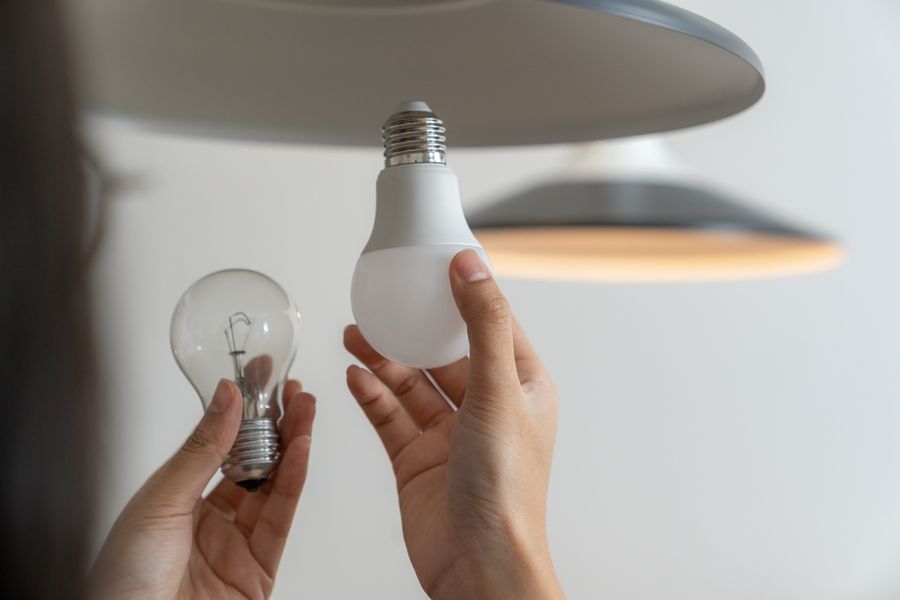
LED lighting has become one of the most effective ways to lower household electricity consumption. Compared to traditional incandescent bulbs, LEDs use significantly less energy while producing the same level of brightness. They also generate less heat, which can slightly reduce cooling demands during warmer months.
One of the biggest advantages is longevity. Many LED bulbs last for years before requiring replacement, which reduces both energy and maintenance costs. Households with numerous light fixtures can see noticeable savings after switching to LED lighting throughout the home. Although the initial purchase cost is often higher than that of traditional bulbs, the combination of lower energy usage and longer lifespan makes LEDs one of the most cost-effective energy-saving products available.
Weather Stripping
Air leaks around doors and windows can force heating and cooling systems to work harder than necessary. Weather stripping creates a seal that helps prevent conditioned air from escaping and outdoor air from entering. It's an inexpensive upgrade that can improve comfort while reducing energy waste throughout the year.
Many homes develop gaps over time due to normal wear and seasonal expansion and contraction of building materials. Installing weather stripping can help maintain more consistent indoor temperatures and reduce drafts. Because heating and cooling systems account for a large share of utility costs, even small improvements in insulation can have a meaningful impact. For many households, weather stripping delivers one of the highest returns on investment among energy-saving products.
Programmable Power Strips
A standard power strip provides convenience, but a programmable power strip takes energy savings a step further. Such devices automatically cut power to electronics when they're not in use, helping prevent unnecessary electricity consumption. They're particularly useful in home offices, entertainment centers, and bedrooms where multiple devices remain plugged in around the clock.
Computers, printers, gaming consoles, televisions, and chargers often continue consuming electricity even when idle. A programmable power strip helps eliminate that waste without requiring users to manually unplug equipment every day. Over time, reducing standby power consumption can contribute to lower utility bills. Households with numerous electronic devices often notice the greatest benefit from adding programmable power strips to frequently used areas.
Ceiling Fans
Ceiling fans can help reduce energy costs during both warm and cool seasons. During summer, they create a wind-chill effect that makes occupants feel cooler, allowing thermostat settings to be raised without sacrificing comfort. During winter, reversing the fan direction (to clockwise) can help distribute warm air more evenly throughout a room.
Because ceiling fans consume far less electricity than air conditioning systems, using them strategically can reduce overall cooling costs. Improved air circulation also helps eliminate hot and cold spots, making indoor temperatures feel more comfortable. While ceiling fans don't actually change room temperature, their ability to improve perceived comfort often allows homeowners to rely less on heating and cooling equipment.
Low-Flow Showerheads
Water heating represents a significant portion of many utility bills. Low-flow showerheads reduce water usage while maintaining adequate water pressure, helping households conserve both water and the energy required to heat it. Modern designs have improved considerably, providing a comfortable shower experience without the weak performance associated with older models.
Reducing hot water consumption produces a double benefit. Households pay less for water while also lowering energy costs related to water heating. Families with multiple occupants often experience the greatest savings because of higher daily water usage. Since installation is usually quick and inexpensive, low-flow showerheads are often considered one of the simplest ways to reduce household utility expenses.
Thermal Blackout Curtains
Windows can be a major source of heat gain during summer and heat loss during winter. Thermal blackout curtains provide an additional layer of insulation that helps regulate indoor temperatures throughout the year. Their thick construction helps block sunlight, reduce drafts, and improve energy efficiency in many rooms.
Homes with older windows may benefit especially from thermal curtains. By reducing the amount of heat entering or leaving a room, heating and cooling systems don't need to work as hard to maintain comfortable temperatures. Beyond energy savings, thermal curtains can improve privacy, reduce glare, and create a more comfortable indoor environment. Many homeowners appreciate the combination of practical benefits and lower utility costs.
Additional Ways to Lower Utility Bills
Energy-saving products are most effective when paired with efficient household habits. Adjusting thermostat settings by just a few degrees can significantly reduce annual heating and cooling expenses. Turning off lights when leaving a room and unplugging rarely used electronics can also contribute to lower electricity consumption.
Regular maintenance plays an important role as well. Replacing HVAC filters, cleaning refrigerator coils, and servicing heating and cooling equipment can improve efficiency and prevent costly breakdowns. Small actions performed consistently often produce noticeable results over time.
How to Prioritize Energy-Efficient Upgrades
Not every household needs the same energy-saving products. Evaluating current utility bills can help identify areas where the most money is being spent. Homes with high heating and cooling costs may benefit most from smart thermostats, weather stripping, and thermal curtains. Households with heavy electronics usage may see greater value from smart plugs and programmable power strips.
Budget also plays a role in determining priorities. Lower-cost upgrades such as LED bulbs and weather stripping often provide immediate savings with minimal upfront investment. Larger purchases may take longer to pay for themselves but can deliver substantial long-term value. Starting with the highest-impact improvements allows homeowners to maximize savings while staying within budget.
Simple Habits That Maximize Energy Savings
Even the best products work better when paired with mindful energy use. Running dishwashers and washing machines only with full loads can reduce water and electricity consumption. Using cold water for laundry whenever possible can also lower energy costs without affecting cleaning performance for most loads.
Natural lighting offers another opportunity for savings. Opening blinds during daylight hours can reduce reliance on artificial lighting, while closing curtains during the hottest part of summer can reduce cooling demands. Combining efficient habits with energy-saving products often produces the greatest long-term reductions in utility bills.
Small Changes, Lasting Savings
Lowering utility bills doesn't always require major renovations or expensive home improvement projects. Many energy-saving products offer affordable ways to reduce waste, improve comfort, and cut monthly expenses. Small upgrades such as LED bulbs, smart plugs, and weather stripping can begin generating savings almost immediately, while larger investments like smart thermostats often provide long-term financial benefits.
The most effective approach involves combining practical products with consistent energy-conscious habits. Over time, even modest improvements can lead to meaningful reductions in household expenses. A more efficient home not only costs less to operate but often feels more comfortable and convenient throughout the year.